
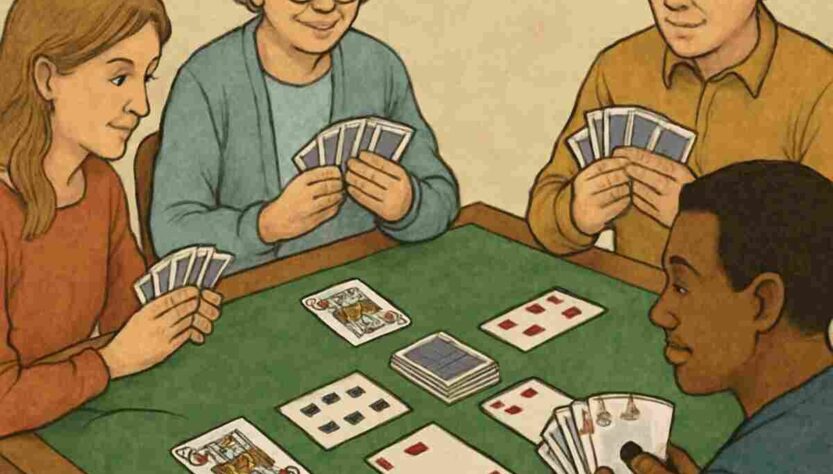
Hey there, card game enthusiasts! If you’re on the hunt for a fun and easy card game that you can play with friends or family, “Kings in the Corner” might just be your new favorite. Whether you’re an aspiring novelist looking to take a break from writing or a content marketer in search of a quick game to unwind, this guide will walk you through everything you need to know about playing Kings in the Corner. Let’s dive in! To know more, check out johnnymitchellssmokehouse.com
What is Kings in the Corner?
Kings in the Corner is a classic card game that’s perfect for a casual game night. It’s easy to learn, quick to play, and can be enjoyed by players of all ages. The goal is to get rid of all your cards by playing them into the center layout, and as the name suggests, Kings play a special role in this game.
A Brief History
While the exact origins of Kings in the Corner are unclear, it has long been a staple in family game nights. The game likely evolved from traditional solitaire games, offering a multiplayer twist that encourages interaction and strategy. Its enduring popularity is a testament to its simplicity and engaging gameplay, making it a timeless classic.
Game Popularity
Kings in the Corner enjoys widespread popularity across various age groups. It’s a go-to choice for those seeking a balance between luck and strategy. The game’s accessibility and minimal setup requirements make it a favorite for impromptu gatherings and leisurely weekends. Its appeal lies in the perfect mix of challenge and fun, keeping players coming back for more.
Why You Should Try It
If you’re looking for a card game that combines strategic thinking with a touch of luck, Kings in the Corner is for you. It’s an excellent way to engage with others while honing your card-handling skills. The game is not only easy to pick up but also offers depth for those who love to strategize. Plus, it requires minimal equipment, making it a portable option for any occasion.
Setting Up the Game
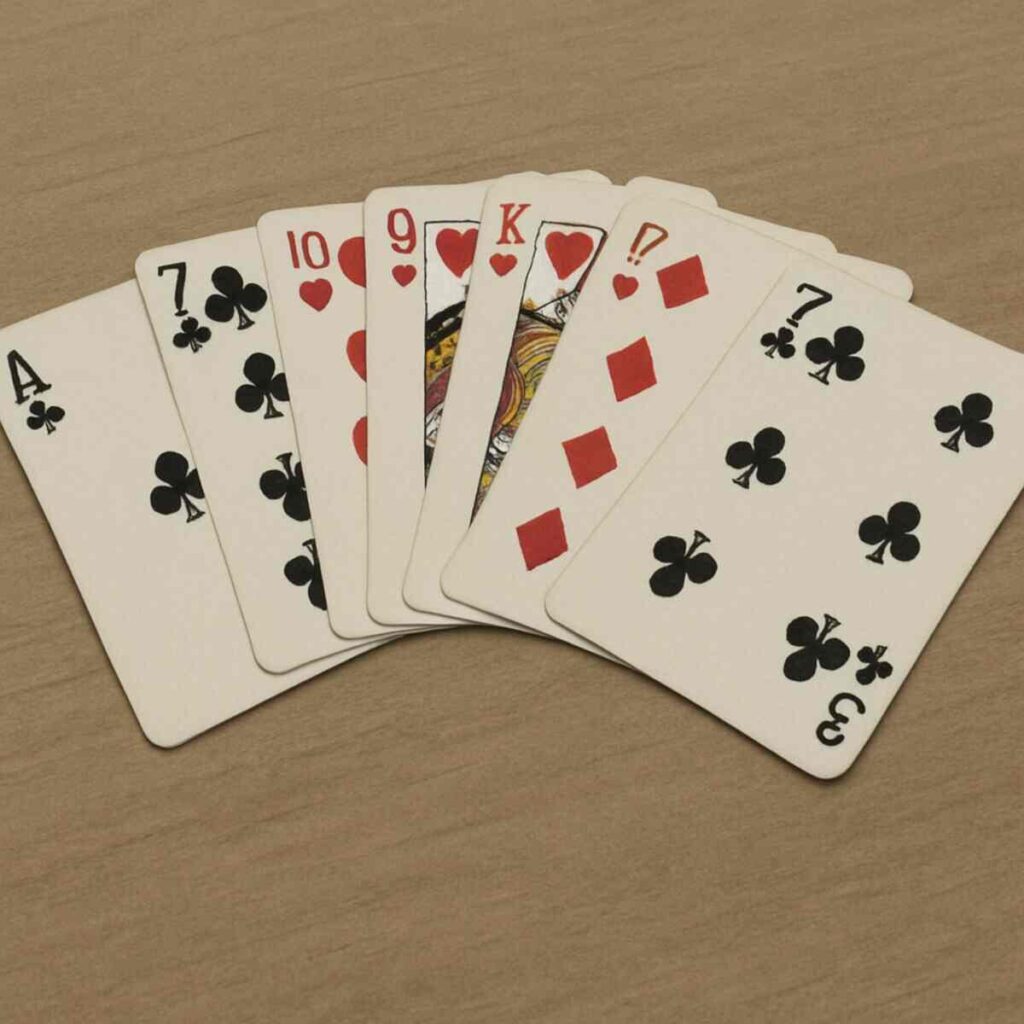
Before diving into the gameplay, you’ll need to set up the game correctly. This involves gathering the necessary materials and arranging the initial layout, ensuring a smooth and enjoyable gaming experience.
What You Need
To get started, you’ll need:
- A standard deck of 52 playing cards
- 2 to 6 players
- A flat surface to play on
Choosing the Right Deck
While any standard deck of cards will suffice, consider the aesthetics of your deck. A visually appealing deck can enhance the gaming experience. There are themed decks available that can add an extra layer of fun, especially if you’re playing with younger participants or during a themed event.
Ideal Player Count
Kings in the Corner is versatile in terms of player count, accommodating anywhere from 2 to 6 players. For an optimal experience, aim for 3 to 5 players. This range allows for enough interaction and competition without the game becoming too chaotic or lengthy.
Setting the Stage
Choose a comfortable, well-lit area with ample space for the cards and players. A dining table or a dedicated game table works best. Ensure that everyone has a clear view of the cards and enough room to manage their hands, enhancing the overall enjoyment of the game.
The Deal
Shuffle the deck and deal seven cards to each player. The remaining cards form the draw pile, which you place in the center of the table. Draw four cards from the pile and place them face-up in a cross pattern around the draw pile. These are the foundation piles where you’ll play your cards.
Shuffling Techniques
A thorough shuffle is crucial to ensure a fair game. Consider using the riffle shuffle or the overhand shuffle to mix the cards thoroughly. This prevents any accidental advantages and ensures that the game starts on an even playing field, fostering fair competition.
Dealing the Cards
When dealing, maintain a consistent rhythm to keep the process smooth. Pass out the cards one at a time to each player until everyone has seven cards. This method ensures a balanced distribution and sets the stage for a fair and enjoyable game.
Setting Up the Foundation
The foundation piles are central to the game’s strategy. Arrange them in a cross pattern around the draw pile, ensuring each is easily accessible to all players. These piles are where the main action happens, so clarity and order are essential for smooth gameplay.
The Objective
The main goal in Kings in the Corner is to be the first player to get rid of all your cards. You do this by playing them onto the foundation piles in a specific order. Let’s break down how the gameplay works.
Understanding the Goal
The primary objective may seem simple—discard all your cards—but achieving it requires a mix of strategy and adaptability. Players must carefully decide when to play certain cards, considering both their current hand and potential future moves. This balance of short-term tactics and long-term strategy is what makes Kings in the Corner so engaging.
The Role of Strategy
While luck plays a part, strategic planning is key to mastering Kings in the Corner. Players must constantly assess their options, deciding when to play aggressively and when to hold back. This involves not only managing one’s own hand but also anticipating opponents’ moves, making each decision crucial to success.
Balancing Luck and Skill
Kings in the Corner offers a unique blend of luck and skill, making it appealing to a wide range of players. While the draw of the cards can significantly influence the game, experienced players can often overcome unlucky hands through strategic play. This dynamic keeps the game exciting, as each round presents new challenges and opportunities.
How to Play
Basic Gameplay
- Turn Order: Players take turns in a clockwise direction.
- Playing Cards: On your turn, you can play cards onto the foundation piles. You can only play cards in descending order and alternating colors. For example, if there’s a black 9 on a pile, the next card must be a red 8.
- Moving Cards: You can also move cards from one foundation pile to another if they fit the descending order and alternating color rule.
Taking Your Turn
Understanding the flow of the game is crucial. Turns proceed in a clockwise manner, ensuring fairness and predictability. On your turn, assess your hand and the foundation piles to determine the best possible move, considering both immediate plays and future potential.
Playing Cards Effectively
Playing cards requires adherence to the descending order and alternating color rule. This means you must be strategic about which cards to play and when. Consider the implications of each move, such as opening up new possibilities for subsequent turns or blocking your opponents’ options.
Mastering Card Movement
Moving cards between foundation piles can be a game-changer. This maneuver allows you to manipulate the board to your advantage, creating new opportunities to play cards from your hand. Mastering this aspect of the game involves predicting opponents’ moves and setting up favorable conditions for yourself.
Special Role of Kings
Kings are special in this game! If you have a King, you can start a new foundation pile at one of the corners of the cross, hence the name “Kings in the Corner.” This opens up more opportunities to play cards.
Unlocking New Paths
Playing a King is a strategic opportunity. It allows you to start a new foundation pile, creating additional options for playing cards. This can be particularly advantageous when you have multiple playable cards in your hand, enabling you to make significant progress in a single turn.
Timing Your Kings
Deciding when to play a King is crucial. While it may be tempting to play it immediately, sometimes holding onto it can create better opportunities later. Consider the state of the game and your hand, using the King to maximize your advantage at the most opportune moment.
Defensive and Offensive Play
Kings can be used both defensively and offensively. Defensively, playing a King can block your opponents’ potential moves. Offensively, it provides new avenues for you to get rid of cards. Balancing these approaches is key to mastering the game.
Drawing Cards
If you can’t play any cards on your turn, you must draw a card from the draw pile. If the draw pile runs out, just shuffle the discard pile to create a new one.
When to Draw
Understanding when to draw cards is essential. Drawing is mandatory if you have no playable moves, but strategize when you might want to draw intentionally to gain potential new plays. Each draw brings the possibility of a game-changing card, so weigh your options carefully.
Managing the Draw Pile
As the game progresses, the draw pile will diminish. Be prepared to shuffle the discard pile to form a new draw pile, ensuring the game continues smoothly. Keep track of the cards that have been played to anticipate what might still be in the deck.
The Impact of Drawing
Drawing cards can alter the course of the game. It can introduce new strategies and change the dynamics of the current play. Stay adaptable and ready to incorporate newly drawn cards into your strategy, maintaining flexibility throughout the game.
Ending a Round
A round ends when a player has no cards left in their hand. Players then count the value of the cards left in their hands as penalty points, with Kings worth 10 points and all other cards worth their face value.
Declaring the Round’s End
Ending a round is an exciting moment. The first player to discard all their cards signals the round’s conclusion. This achievement often results from strategic play and careful planning, showcasing the player’s skill and luck.
Calculating Penalty Points
After a round concludes, players tally penalty points based on the cards remaining in their hands. Kings, being high-value, carry a penalty of 10 points each, while other cards are worth their face value. This scoring system encourages players to prioritize discarding high-value cards throughout the round.
Preparing for the Next Round
Once penalty points are calculated, prepare for the next round. Shuffle the cards thoroughly and deal anew, keeping the game fresh and challenging. Each round presents a new opportunity to refine your strategy and potentially secure a win.
Strategies for Winning
Plan Your Moves
Try to plan a few moves. Look at the cards in your hand and think about how you can play them effectively. Remember, the goal is to get rid of all your cards, so prioritize playing high-value cards first.
Anticipating Future Turns
Effective planning involves anticipating future turns. Consider the potential moves of your opponents and how they might impact your strategy. By thinking several steps ahead, you can position yourself advantageously and adapt to changing circumstances.
Prioritizing High-Value Cards
High-value cards, particularly Kings, should be prioritized for play. Discarding these cards early in the game minimizes penalty points and opens up more options for gameplay. Keep a keen eye on opportunities to play these cards strategically.
Balancing Short and Long-Term Strategies
A successful strategy balances short-term tactics with long-term planning. While immediate moves are crucial, always keep an eye on the overall game trajectory. Adapt your strategy as the game evolves, ensuring you remain flexible and responsive to new developments.
Use Kings Wisely
Since Kings allow you to start new foundation piles, use them strategically to open up more options for playing cards from your hand.
Maximizing King’s Potential
Utilize Kings to their full potential by starting new foundation piles strategically. This maneuver can significantly alter the game landscape, providing you with additional avenues for card placement and increasing your chances of success.
Timing is Everything
Timing your Kings can be the difference between winning and losing. Assess the current board and your hand, playing Kings when it maximizes your strategic advantage. This decision often involves a mix of intuition and analysis, requiring careful consideration.
Creating Opportunities
Playing a King can create new opportunities for both you and your opponents. Be mindful of how your move might open up possibilities for others, and plan accordingly. Striking a balance between advancing your position and hindering opponents is key to effective gameplay.
Keep an Eye on Opponents
Pay attention to the cards your opponents are playing. This can give you clues about what they might have in their hands, helping you make better decisions about which cards to play or hold onto.
Observing Opponents’ Patterns
Observing opponents’ patterns can provide valuable insights. Notice the types of cards they prioritize and how they respond to different situations. This information can inform your strategy, allowing you to anticipate their moves and adjust your plans accordingly.
Predicting Opponents’ Moves
By keeping a close watch on opponents, you can predict their likely moves. This foresight enables you to make informed decisions, potentially blocking their strategies and gaining an advantage. Use this knowledge to outmaneuver opponents and position yourself for victory.
Adapting to Opponent Strategies
As the game progresses, adapt to the evolving strategies of your opponents. Flexibility is key to maintaining an edge, so be ready to shift your tactics in response to new developments. This adaptability can be the key to overcoming challenges and securing a win.
Scoring and Winning the Game
After the round ends and penalty points are tallied, the player with the fewest points wins the round. You can play multiple rounds and keep a cumulative score, with the winner being the player with the lowest total score after a set number of rounds.
Understanding the Scoring System
The scoring system in Kings in the Corner is straightforward yet impactful. It rewards players who effectively manage their cards, minimizing penalty points and emphasizing strategic play. Understanding this system is crucial to mastering the game and achieving consistent success.
Keeping Track of Scores
Accurate scorekeeping is essential for a fair game. Designate a player to record scores after each round, ensuring transparency and accuracy. This practice maintains the integrity of the game and allows players to focus on strategy rather than administrative details.
Declaring the Winner
After several rounds, tally the cumulative scores to determine the overall winner. The player with the lowest total score emerges victorious, highlighting their strategic prowess and adaptability throughout the game. Celebrate the win, acknowledging the skill and luck that contributed to the outcome.
Tips for a Fun Game Night
- Invite Friends and Family: Kings in the Corner is a social game, so the more, the merrier!
Creating the Perfect Atmosphere
Setting the right atmosphere is crucial for a memorable game night. Arrange a comfortable, inviting space with ample seating and lighting. Consider adding decorative elements or themes to enhance the ambiance, creating an environment conducive to fun and engagement.
Incorporating Themed Nights
Add a twist to your game night by incorporating themes. Choose a theme that complements Kings in the Corner, such as a royal or medieval theme, complete with costumes and decor. This can elevate the experience, making it a night to remember.
Encouraging Friendly Competition
While the goal is to win, emphasize the importance of friendly competition. Encourage players to engage in lighthearted banter and enjoy the social aspect of the game. This approach fosters camaraderie and ensures everyone has a great time.
- Snacks and Drinks: Keep the energy up with some tasty snacks and drinks.
Selecting Game Night Snacks
Choose snacks that are easy to eat and share, minimizing mess and maximizing enjoyment. Consider finger foods like chips, popcorn, and bite-sized treats that are both tasty and convenient. Variety is key, so offer options that cater to different tastes and dietary needs.
Crafting Themed Beverages
Complement your snacks with themed beverages. Create drinks that align with your game night theme, such as royal-themed cocktails or mocktails. This attention to detail enhances the overall experience, adding an extra layer of fun and creativity.
Balancing Snacks and Gameplay
Ensure that snacks and drinks are accessible without disrupting gameplay. Arrange them on a separate table or within easy reach, allowing players to enjoy refreshments while keeping their focus on the game. This balance contributes to a seamless and enjoyable experience.
- Music Playlist: Create a fun playlist to set the mood and keep things lively.
Curating the Perfect Playlist
Music can significantly enhance the game night atmosphere. Curate a playlist that aligns with the theme and pace of the evening, incorporating upbeat tunes that keep energy levels high. Consider including a mix of genres to appeal to diverse musical tastes.
Using Music for Thematic Enhancement
Choose music that complements your game night theme. For a medieval theme, consider classical or instrumental tracks that evoke a sense of grandeur. The right music can transport players to another world, immersing them in the experience and adding depth to the evening.
Adjusting Music Volume
Balance music volume with gameplay, ensuring it enhances rather than overwhelms the experience. Keep the volume at a level that allows for easy conversation and communication among players. This consideration ensures that music adds to the ambience without detracting from the main event.
Conclusion
Kings in the Corner is a fantastic card game that’s easy to learn and a blast to play. Whether you’re an aspiring novelist needing a break from your manuscript, a content marketer looking for a quick game, or a graduate student seeking a fun diversion, this game has something for everyone. So grab a deck of cards, gather some friends, and enjoy a round (or several) of Kings in the Corner!
Embracing the Game’s Simplicity
One of the key appeals of Kings in the Corner is its simplicity. Its straightforward rules make it accessible to players of all skill levels, from beginners to seasoned card enthusiasts. This simplicity allows players to focus on strategy and interaction, creating a dynamic and engaging experience.
Celebrating Social Interaction
At its core, Kings in the Corner is a social game that brings people together. It encourages interaction, laughter, and friendly competition, making it an ideal choice for gatherings. The game’s ability to foster connection and enjoyment is what sets it apart, creating memorable experiences for all involved.
Inviting New Players
As you enjoy Kings in the Corner, consider inviting new players to join. Introducing others to the game can lead to new friendships and shared experiences, enriching your social circle. Embrace the opportunity to share this delightful game with others, spreading joy and camaraderie.
Happy playing! 🎉