


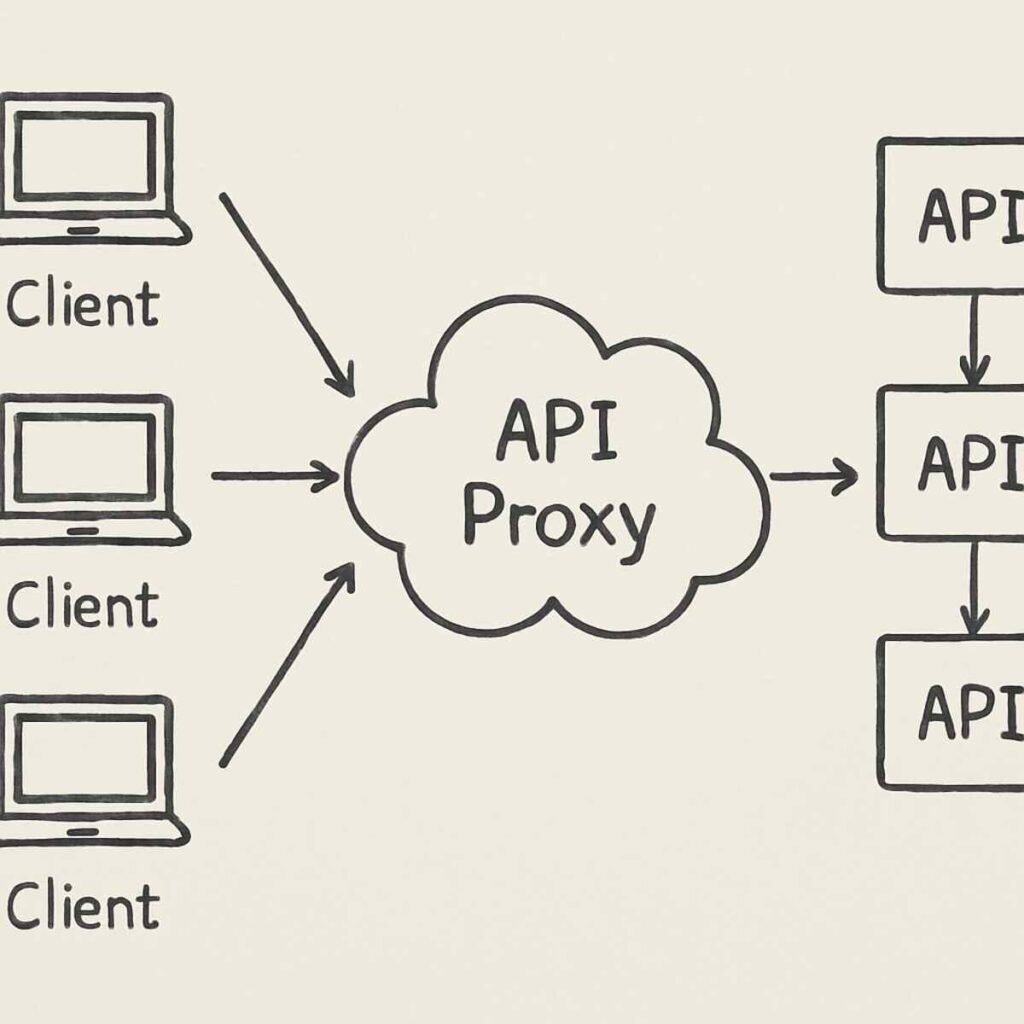
API proxies act as intermediaries that manage requests and responses between clients and backend services. They play a pivotal role in abstracting the underlying service architecture, thereby enhancing security, monitoring, and traffic management. Through API proxies, developers can enforce policies, collect analytics, and ensure consistent API behavior across different environments. Choose the best proxies for google ads.
What is an API Proxy?
An API proxy functions as a conduit that channels client requests to backend services. By serving as a facade for the service endpoints, API proxies enable developers to implement additional functionalities such as rate limiting, transformation of requests and responses, and logging. This abstraction layer ensures that backend services remain insulated from external changes, thereby reducing the risk of disruptions.
Benefits of Using API Proxies
The deployment of API proxies offers numerous advantages. Firstly, they enhance security by acting as a shield, protecting backend services from direct exposure to clients. Secondly, they provide a platform for implementing cross-cutting concerns such as authentication, authorization, and logging, without altering the backend code. Lastly, API proxies facilitate smoother API versioning and deprecation processes, ensuring backward compatibility and seamless client transition.
API Proxies vs. Direct Integration
Unlike direct integration, where clients communicate directly with backend services, API proxies introduce a layer of abstraction that allows for greater flexibility and control. Direct integration can lead to tight coupling, making it challenging to implement changes without impacting clients. In contrast, API proxies decouple the client interface from the backend logic, enabling independent updates and modifications.
The Role of API Gateways
An API gateway is a critical component that works in tandem with API proxies to manage traffic, authentication, and routing of API requests. Serving as the singular entry point for client requests, API gateways streamline the integration of multiple microservices, thereby promoting scalability and flexibility.
Traffic Management and Load Balancing
API gateways excel in managing traffic by distributing incoming requests across multiple instances of backend services. This load balancing capability ensures optimal resource utilization and prevents any single service from becoming a bottleneck. By intelligently routing requests based on predefined rules or algorithms, API gateways enhance overall system reliability and availability.
Authentication and Authorization
Security is a paramount concern in API management, and API gateways play a crucial role in enforcing authentication and authorization policies. By centralizing these processes, API gateways simplify the implementation of security measures, making it easier to manage user access and control. Integration with identity management systems enables seamless user authentication using protocols such as OAuth2 and OpenID Connect.
API Request Routing
API gateways facilitate efficient routing of requests to the appropriate backend services. By defining routing rules based on the request path, headers, or other parameters, gateways ensure that requests are directed to the correct service instance. This capability is especially beneficial in microservices architectures, where services may evolve independently and require dynamic routing.
Steps to Implement API Proxies Effectively
Implementing API proxies necessitates a nuanced understanding of network protocols, security measures, and integration patterns. Below is a detailed, step-by-step guide to aid in the effective deployment of API proxies.
Step 1: Assessing Business Requirements
Before embarking on the implementation of API proxies, it is imperative to conduct a comprehensive assessment of business requirements. This entails understanding the specific needs for security, scalability, and performance, as well as identifying the key stakeholders and their expectations.
Identifying Stakeholders and Their Needs
Engage with various stakeholders, including business leaders, developers, and IT teams, to gather insights into their expectations and requirements. Understanding their perspectives will aid in defining the objectives and scope of the API proxy implementation project. This collaborative approach ensures alignment between technical solutions and business goals.
Determining Security and Performance Goals
Evaluate the security and performance objectives that the API proxies must achieve. Consider factors such as data sensitivity, regulatory compliance, and anticipated traffic volumes. Establishing clear security and performance benchmarks will guide the selection of appropriate proxy configurations and security measures.
Analyzing Integration Requirements
Analyze the existing system architecture to identify integration points and dependencies. Determine how the API proxies will interact with existing systems and services, and assess any potential challenges or constraints. A thorough understanding of integration requirements will facilitate smoother implementation and reduce the risk of unforeseen issues.
Step 2: Selecting the Appropriate Proxy Server

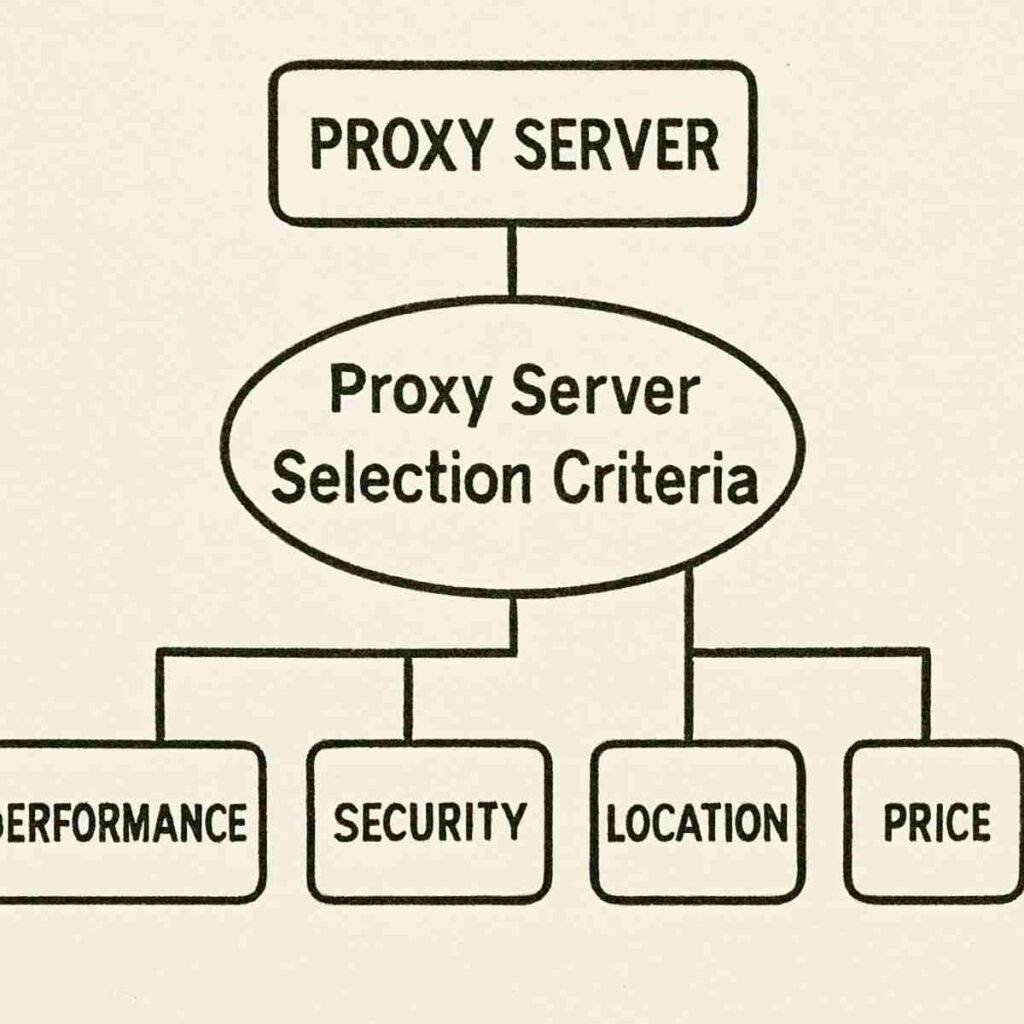
Selecting the right proxy server is instrumental in achieving optimal API performance. Consider factors such as load balancing capabilities, security features, and compatibility with existing systems. Prominent proxy servers like NGINX, HAProxy, and Apache Traffic Server offer diverse functionalities that can be tailored to specific organizational needs.
Evaluating Load Balancing Capabilities
Assess the load balancing capabilities of various proxy servers to determine their suitability for your use case. Consider factors such as support for different load balancing algorithms, session persistence, and failover mechanisms. A robust load balancing strategy is crucial for ensuring high availability and fault tolerance.
Comparing Security Features
Examine the security features offered by different proxy servers, including support for SSL/TLS encryption, firewall integration, and access control mechanisms. Select a proxy server that aligns with your security requirements and provides comprehensive protection against common threats such as DDoS attacks and data breaches.
Assessing Compatibility with Existing Systems
Ensure that the chosen proxy server is compatible with your existing infrastructure, including networking, operating systems, and application frameworks. Compatibility considerations will influence the ease of integration and the overall effectiveness of the API proxy implementation.
Step 3: Designing the API Proxy Architecture
Designing an effective API proxy architecture involves defining the logical flow of requests and responses. This includes specifying the routing rules, setting up authentication mechanisms, and designing error-handling protocols. Employing a modular design approach facilitates easier maintenance and scalability.
Defining Logical Flow and Routing Rules
Outline the logical flow of requests and responses within the API proxy architecture. Define routing rules that specify how requests will be directed to backend services based on criteria such as URL paths, query parameters, or HTTP headers. This step ensures that requests are efficiently processed and directed to the appropriate service endpoints.
Implementing Authentication Mechanisms
Design authentication mechanisms to verify the identity of clients and ensure secure access to backend services. Consider using token-based authentication methods such as OAuth2 or JWT to provide a secure and scalable solution. Implementing robust authentication measures is critical for safeguarding sensitive data and maintaining the integrity of the API services.
Designing Error-Handling Protocols
Establish error-handling protocols to manage exceptions and error conditions that may arise during API proxy operations. Define standardized error responses and logging mechanisms to facilitate troubleshooting and debugging. Effective error handling enhances the resilience of the API proxies and improves the overall user experience.
Step 4: Configuring the API Gateway
The API gateway configuration is a critical phase that involves setting up routing paths, implementing security protocols, and defining rate-limiting policies. This step ensures that all API requests are processed efficiently and securely, mitigating potential risks of unauthorized access or data breaches.
Setting Up Routing Paths
Configure routing paths within the API gateway to direct incoming requests to the appropriate backend services. Define routing rules based on criteria such as request methods, URL patterns, or custom headers. Proper routing configuration ensures that requests are accurately directed to the intended service endpoints.
Implementing Security Protocols
Integrate security protocols within the API gateway to protect against unauthorized access and data breaches. Enable SSL/TLS encryption to secure data in transit, and implement authentication and authorization mechanisms to control access to backend services. Security protocols are essential for maintaining the confidentiality and integrity of API communications.
Defining Rate-Limiting Policies
Establish rate-limiting policies to prevent abuse and ensure fair usage of API resources. Define thresholds for the number of requests allowed within a specified time frame, and implement mechanisms to enforce these limits. Rate limiting helps prevent resource exhaustion and ensures equitable access to API services.
Step 5: Implementing Security Measures
Security is paramount in API proxy implementation. Utilize encryption protocols such as TLS/SSL to secure data in transit. Implement OAuth or JWT for authentication and authorization, ensuring that only authenticated users can access the API services.
Securing Data in Transit
Ensure that data transmitted between clients and backend services is encrypted to prevent eavesdropping and data tampering. Implement TLS/SSL encryption to establish secure communication channels and protect sensitive information. Securing data in transit is a fundamental requirement for safeguarding API interactions.
Authentication and Authorization Strategies
Implement robust authentication and authorization strategies to control access to API services. Use token-based methods such as OAuth2 or JWT to authenticate users and grant them appropriate permissions. Effective authentication and authorization mechanisms are essential for preventing unauthorized access and ensuring data security.
Protecting Against Common Threats
Employ security measures to protect against common API threats such as DDoS attacks, injection attacks, and data leaks. Implement firewalls, intrusion detection systems, and rate-limiting mechanisms to mitigate the risk of security breaches. Proactive threat protection is vital for maintaining the security and integrity of API services.
Step 6: Monitoring and Analytics
An integral component of effective API proxy implementation is the continuous monitoring of API performance and usage analytics. Tools like Prometheus or Grafana can be employed to track metrics such as response times, request volumes, and error rates, providing valuable insights for optimization.
Tracking Performance Metrics
Monitor key performance metrics such as response times, latency, and error rates to assess the efficiency of API proxies. Use monitoring tools to collect and analyze data, identifying trends and potential performance bottlenecks. Regular performance tracking enables proactive optimization and ensures optimal API service delivery.
Analyzing Usage Patterns
Analyze usage patterns to gain insights into how clients interact with the API services. Identify peak usage times, popular endpoints, and common request patterns to inform capacity planning and resource allocation. Understanding usage patterns helps optimize resource utilization and improve user experience.
Leveraging Analytics for Optimization
Use analytics data to identify areas for improvement and implement optimizations to enhance API performance. Analyze trends and anomalies to uncover potential issues and opportunities for enhancement. Leveraging analytics enables data-driven decision-making and continuous improvement of API proxy services.
Step 7: Testing and Validation
Conduct rigorous testing to validate the functionality and performance of the API proxies. Employ testing frameworks like Postman or SoapUI to simulate various request scenarios and verify the accuracy of responses. This step is crucial to ensure that the API proxies function as intended and meet the predefined quality standards.
Simulating Request Scenarios
Use testing tools to simulate a wide range of request scenarios and evaluate how API proxies handle different conditions. Test for various parameters such as request types, payload sizes, and authentication methods to ensure comprehensive validation. Simulating diverse scenarios helps identify potential issues and ensures robustness.
Verifying Response Accuracy
Validate the accuracy of responses returned by the API proxies to ensure they meet the expected output and adhere to defined standards. Compare actual responses against expected results, checking for consistency and correctness. Accurate response verification is essential for maintaining the reliability and trustworthiness of API services.
Ensuring Compliance with Standards
Ensure that the API proxies comply with industry standards and organizational policies. Verify adherence to security, performance, and interoperability requirements, and conduct compliance checks to maintain alignment with regulatory and business guidelines. Compliance validation is critical for avoiding legal and operational risks.
Best Practices for API Proxy Implementation
To maximize the efficacy of API proxies, adhere to the following best practices:
Decouple Services
Ensure that API proxies are designed to decouple client applications from backend services, promoting independent evolution and scalability. By creating a separation between the client interface and the backend logic, API proxies enable flexible and agile development, allowing services to evolve without impacting clients.
Implement Caching
Utilize caching strategies to enhance performance by reducing latency and minimizing load on backend services. Implement caching mechanisms at the proxy level to store frequently accessed data, reducing the need for repeated requests to backend services. Effective caching improves response times and overall user experience.
Automate Deployment
Leverage CI/CD pipelines for the automated deployment of API proxies, ensuring consistency and reducing manual errors. Automating deployment processes streamlines the delivery of updates and changes, minimizing downtime and enhancing reliability. Automated deployment fosters agility and accelerates time-to-market.
Document Thoroughly
Maintain comprehensive documentation of API proxy configurations, policies, and procedures, facilitating easier troubleshooting and future enhancements. Ensure that documentation is up-to-date and accessible to all stakeholders, enabling efficient knowledge sharing and collaboration. Thorough documentation is a valuable resource for ongoing maintenance and support.
Conclusion
The implementation of API proxies is a sophisticated endeavor that demands a meticulous approach to design, security, and management. By following the outlined steps and best practices, organizations can effectively integrate API proxies into their digital infrastructure, thereby enhancing the performance, security, and scalability of their API services. As the digital ecosystem continues to evolve, mastering the intricacies of API proxies will remain a vital competency for developers and system architects alike. Understanding and leveraging the full potential of API proxies will empower organizations to build resilient, scalable, and secure digital ecosystems, ensuring seamless connectivity and collaboration in an increasingly interconnected world.